
If you have read my last two blog posts (or if not, please read them here and here), you know that I have recently been on a three-day study tour of the Matchless Vale, a very special stretch of the river Thames to the west of London.
On Day Two I visited Chiswick House (https://www.english-heritage.org.uk/visit/places/chiswick-house/), a sparkling white Palladian villa built between 1726 and 1729 by the third Earl of Burlington (1694–1753), with help and advice from the painter, architect and garden designer William Kent.
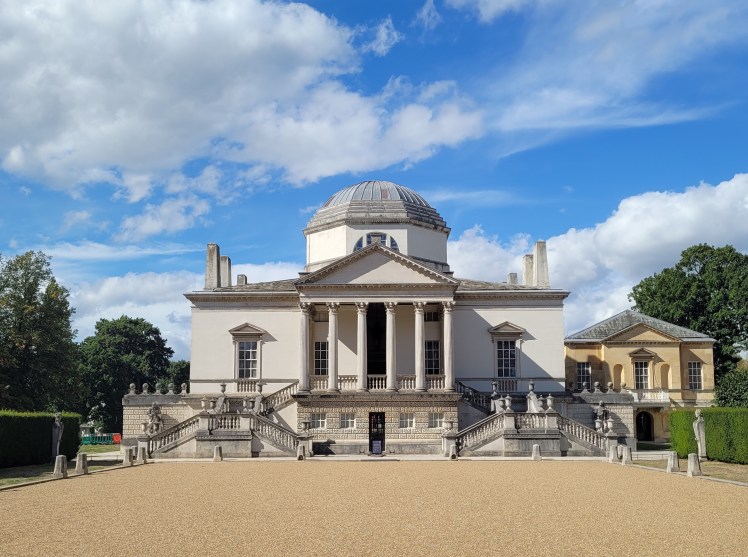
Chiswick House went through many changes over the following centuries, including the construction of later wings on each side, but these have been demolished and the house has recently been restored to its original appearance and condition.
A short visit to this fabulous party house was enough to establish it as my second most favourite British Palladian mansion. But not as my first most favourite. That honour belongs to another house some 400 miles to the north, not on the banks of the River Thames but on those of the River Forth, different but perhaps equally arcadian.
I have mentioned before in this blog that you can find me every Thursday afternoon doing my volunteer duty as a tour guide for the National Trust for Scotland (NTS) at Newhailes House, built between 1702 and 1740 on the outskirts of Musselburgh, a bustling town about eight miles to the east of Edinburgh city centre.
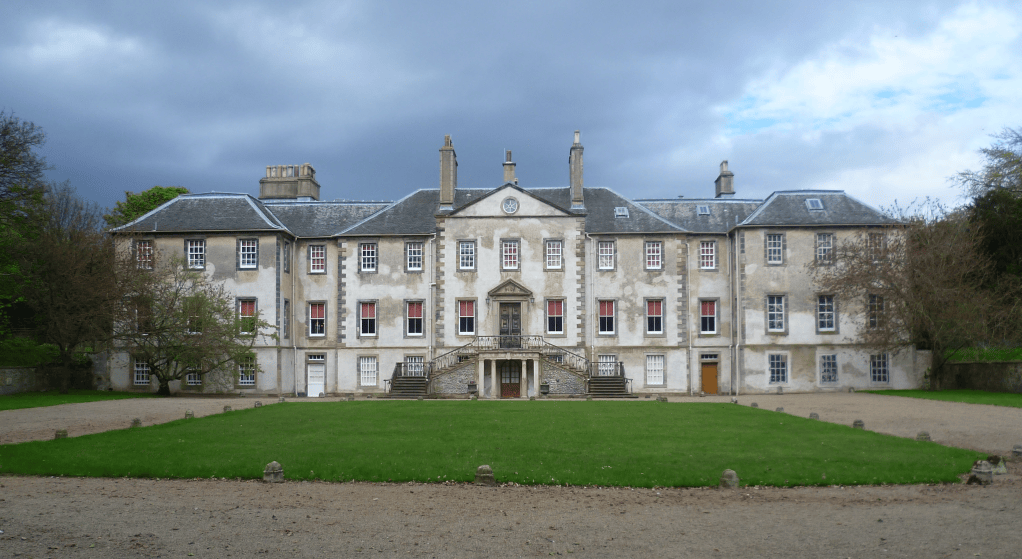
By Kim Traynor – Own work, CC BY-SA 3.0, https://commons.wikimedia.org/w/index.php?curid=25952331
Newhailes is my favourite Palladian villa. Of course it is. Not merely because for the past five years I have immersed myself in everything to do with the house and its architecture and its history and its ownership and its contents, but genuinely because I believe it to be just about the best example of its type still in existence in Britain, better than Chiswick House, better than Marble Hill House, better than any other you can mention. Not grander (it’s faded), not bigger (it’s quite small), not more ornate (it’s comparatively plain), not more symmetrical (it has more chimneys on the west side of the roof than on the east side), but better.
This is a big claim, particularly since hardly anybody outside of south-east Scotland has even heard of Newhailes. None of the other art history buffs on the three-day tour of the Matchless Vale had heard of it. Our tutor Matthew from the august Courtauld Institute of Art was familiar with the name but had never visited and had no information.
So what makes Newhailes better? Lots of things, but I’ll pick out just five:
- First, it still has almost all of its original gardens and estate intact around it, as laid out in the mid-18th century, albeit mostly in ruinous condition or worse: a level lawn up to the rear of the house, a ha-ha (restored), plinths for classical statues (the statues themselves were stolen), an elevated path (the Ladies’ Walk) to a viewing platform, a folly (the Shell House) (ruins thereof), a classical Teahouse (also ruins thereof) built on a bridge over a water cascade (silted up), an ornamental walled Flower Garden (devastated when leased out by the penniless last baronet to a mink farmer). But all of the designed features are still discernible, just as they should be.
- Second, there has been no reconstruction or demolition of any part of the house. Occupied by eight generations of the Dalrymple family from 1709 to 1997, it remained mostly unaltered, but declined gently into near-derelict condition through the 20th century after the family’s money ran out. Restoration by the NTS involved only gentle conservation: “as much as necessary, as little as possible”.
- Third, the preservation of Newhailes was not only external but internal. Much of the interior looks as it did when completed around 1740, having been re-decorated only once since then (in 1873), when care was taken to retain many of the original colour schemes and decorative details.
- Fourth, when the house was acquired by the NTS it came complete with all of its contents, including many items of fine furniture, pictures, textiles and ceramics which were brought in by the first Dalrymple generations when the house was new.
- Fifth, Newhailes has something that Chiswick House and the other villas of the Matchless Vale don’t have: a long view from the house. In Twickenham and Richmond you have to go off-site to the top of Richmond Hill to get the requisite Picturesque distant view of the landscape. From inside the north front windows at Newhailes you can see for miles over the Firth of Forth towards The Sublime hills of Fife.
I won’t describe Newhailes in detail. You can get information from the NTS website at this link, or from the guidebook, or, best of all, come for a visit, preferably on a Thursday, when you might perhaps get the Random Treasure blogger as your tour guide. Suffice to say that it is a very remarkable house indeed, an outstandingly rare survival, and an exquisite example of authenticity (a much over-used term) in its completeness and presentation.
Having stressed the differences between Chiswick House and Newhailes House, let us now turn to their similarities. Both are compact Palladian villas of the early eighteenth century. Although at Newhailes the central part of the house and the East (Library) Wing were completed before work on Chiswick was started, both houses clearly have similar architectural sources and stylistic influences, and reflect similar fashions and conceptions of Good Taste.
Which is interesting, because the houses are 400 miles apart, in different countries with very different histories and traditions. Here in the early 1700s there’s no television or radio, no telephone, no photography, no internet, no social media. No cars, no trains, no planes. Travelling between Edinburgh and Chiswick takes from 10 to 14 days by horse-drawn carriage or stage coach or by coastal shipping. And yet, tastes and fashions and ideas of how to build houses are the same in both places.
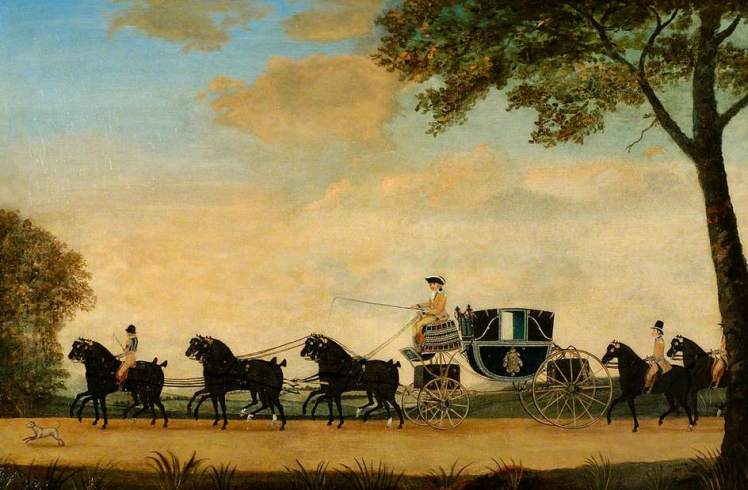
British Sporting Art Trust; http://www.artuk.org/artworks/the-marquess-of-queensberrys-coach-11217
It can’t be a simple coincidence, and it can’t be simply explained by saying that villa-builders in Edinburgh and London just happened to be reading the same books and looking at the same engravings all at the same time.
No, it is much more complex than that. There is a lot of stuff going on in the background, much of it to do with a huge religious upset, a great big commercial failure, a financial meltdown, and two massively important political realignments:
- the Glorious Revolution of 1688 which overthrew the Scottish Catholic House of Stuart King James II and brought the Dutch Protestant House of Orange King William III to the British throne for the next few years, followed by
- the abject failure in 1699 of the Darien Scheme, the aim of which had been to build a Scottish trading colony in Panama, causing
- personal financial embarrassment among many well-heeled members of Scottish society who had invested heavily in the scheme, and near-bankruptcy for the Scottish nation, leading indirectly to
- the unification in 1707 of the English and Scottish parliaments brought about by the Treaty of Union, and then
- the death of Queen Anne without heirs, resulting in the permanent transfer in 1714 of the reigning royal dynasty from Stuart (Scottish) to Hanoverian (German).
It isn’t the job of the Random Treasure blog to unpick or expand on any or all of these vastly complicated historical events (just as well, because there’s no way that your blogger is up to the task), but one (of many) consequences of these upheavals was an exponentially accelerated level of contact between the ruling and educated classes of Scotland and those of England.
Many Scottish aristocrats, landowners and intellectuals (or at least those of the Protestant persuasion, now that the Catholic Jacobites were in retreat) had been educated in mainland Europe and had historically close contacts with the German royal courts from which the new Hanoverian king came.
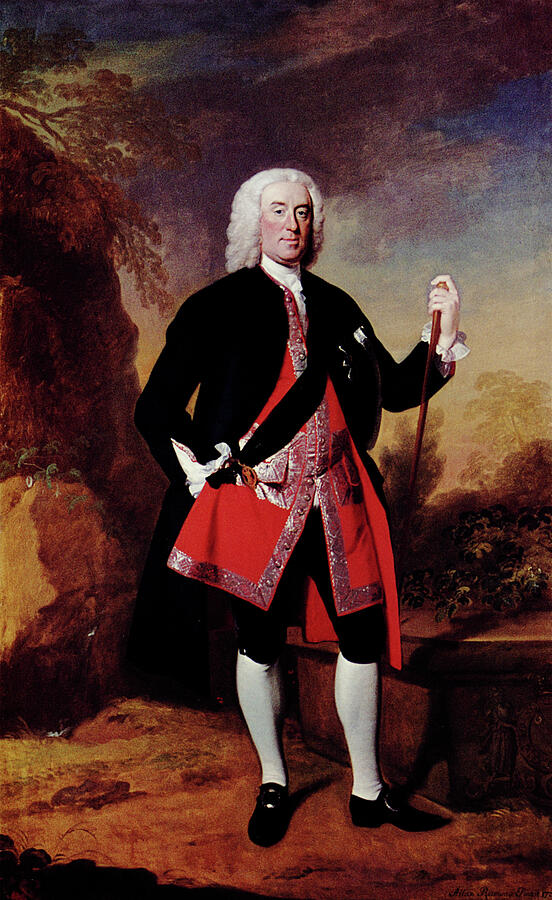
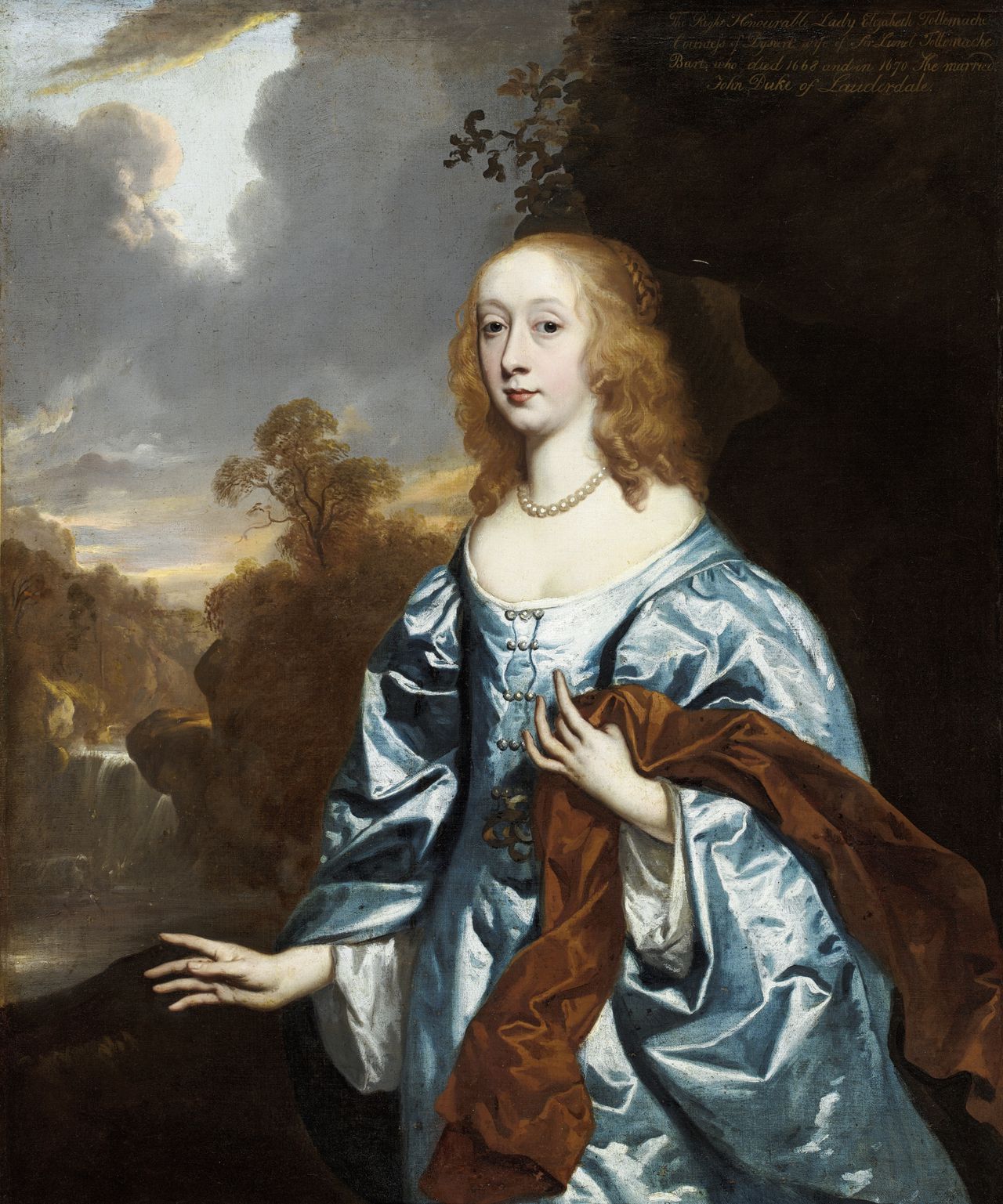
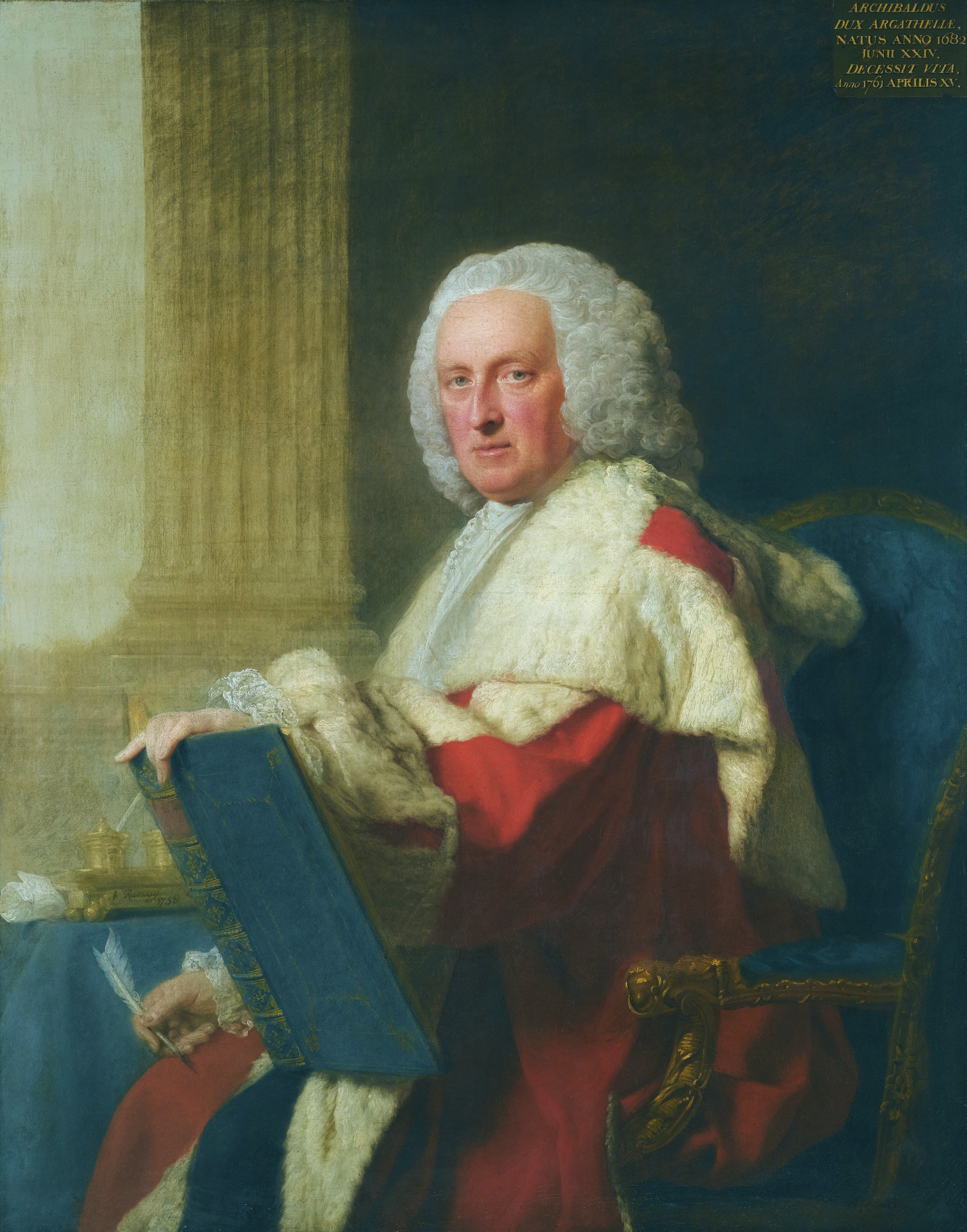
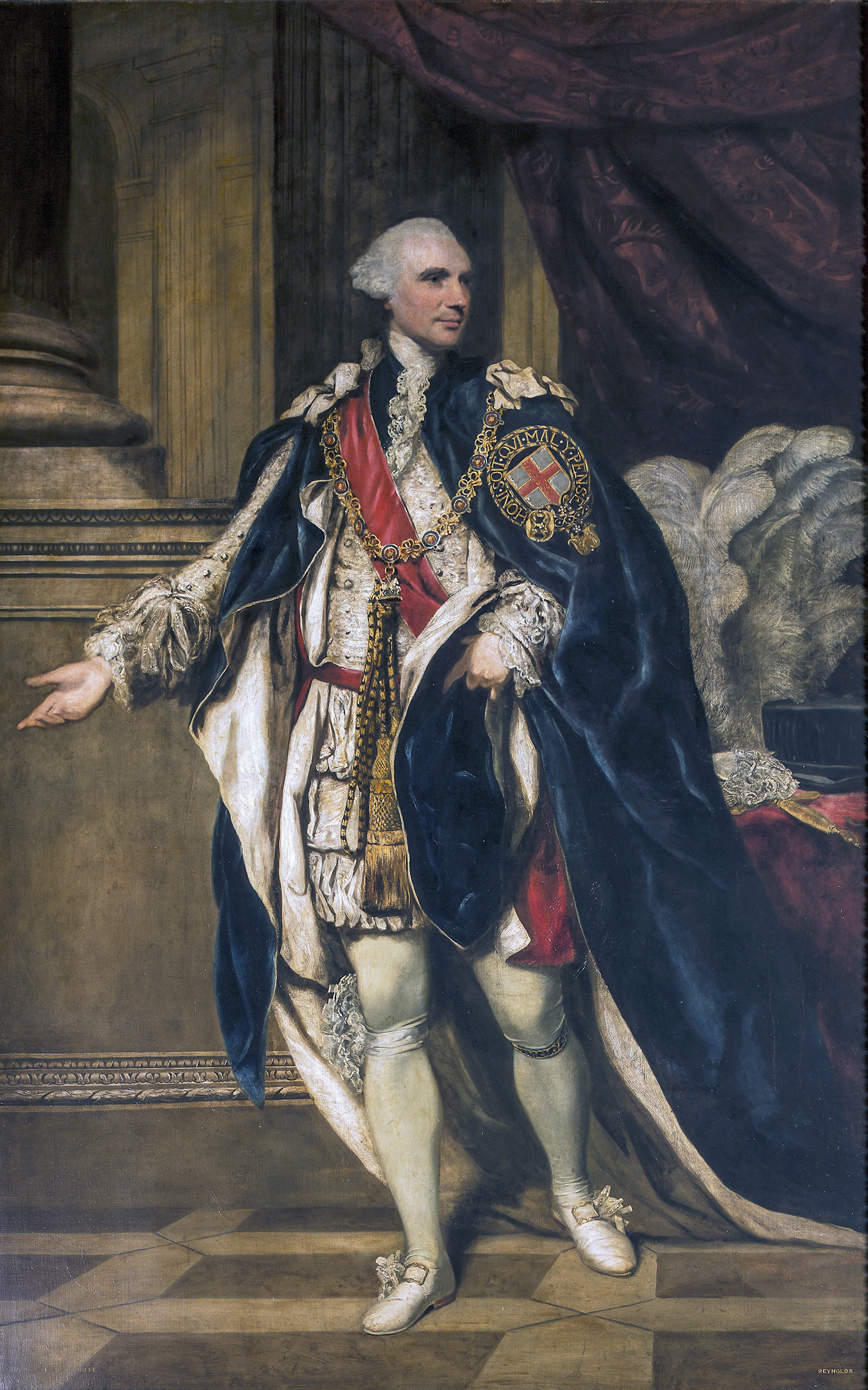
The Union provided these incoming Scots grandees with newly-created seats in both houses of Parliament at Westminster. This meant (at least for those who hadn’t been ruined by overinvestment in the Darien Scheme) that the demands of class and status required them to set themselves up in splendid houses in central London and also (of course) in villas in the Matchless Vale and other idyllic locations.
The Duke of Buccleuch built a villa in Richmond; the Countess of Dysart (later the Duchess of Lauderdale) and the Duke of Argyll lived successively in Ham House; the Earl of Bute (who became Prime Minister) lived at various addresses in Kew, Richmond and Twickenham; and so on.
Where the toffs went, the professions followed, with Scottish incomers competing for work and patronage in London and its environs against their English counterparts. To mention just a few: poet James Thomson, who coined the phrase Matchless Vale in The Seasons and who also, incidentally, wrote the lyrics to Rule, Britannia; architects James Gibb (Orleans House), Colen Campbell (Marble Hill House) and Robert Adam (Osterley Park and Strawberry Hill House); artist Allan Ramsay, who set up an incredibly successful studio in London, and whose portraits can be seen at Osterley Park and Strawberry Hill House.
I don’t think you could quite call it an invasion, but it is extraordinary how many Scottish names you hear when you’re doing an art history tour of the Matchless Vale.
When the Scots came to London, they didn’t come to stay all year round. They retained their Scottish castles, mansion houses and estates, and would return to Scotland outside the parliamentary session and the London Season. The coaching inns between the two capitals must have been buzzing.
Little wonder, then, that ideas about architecture and style and fashion which were current in London were equally current in Scotland. Little wonder that style-setting books and engravings travelled up and down the Great North Road along with the aristocrats, architects and artists.
And the style chosen for Newhailes and for many other houses throughout Scotland was the Palladian style. James Smith was active early on, with the central block of Newhailes complete by 1702. He then went on to design the splendidly Palladian Dalkeith Palace. William Adam (father of John and Robert) designed Duff House, Banff and Mavisbank House, Loanhead; James Nisbet designed Ednam House, Kelso and Paxton House near Berwick-upon-Tweed; John and Robert Adam designed Dumfries House, Cumnock. There’s a much longer list, but you get the picture.
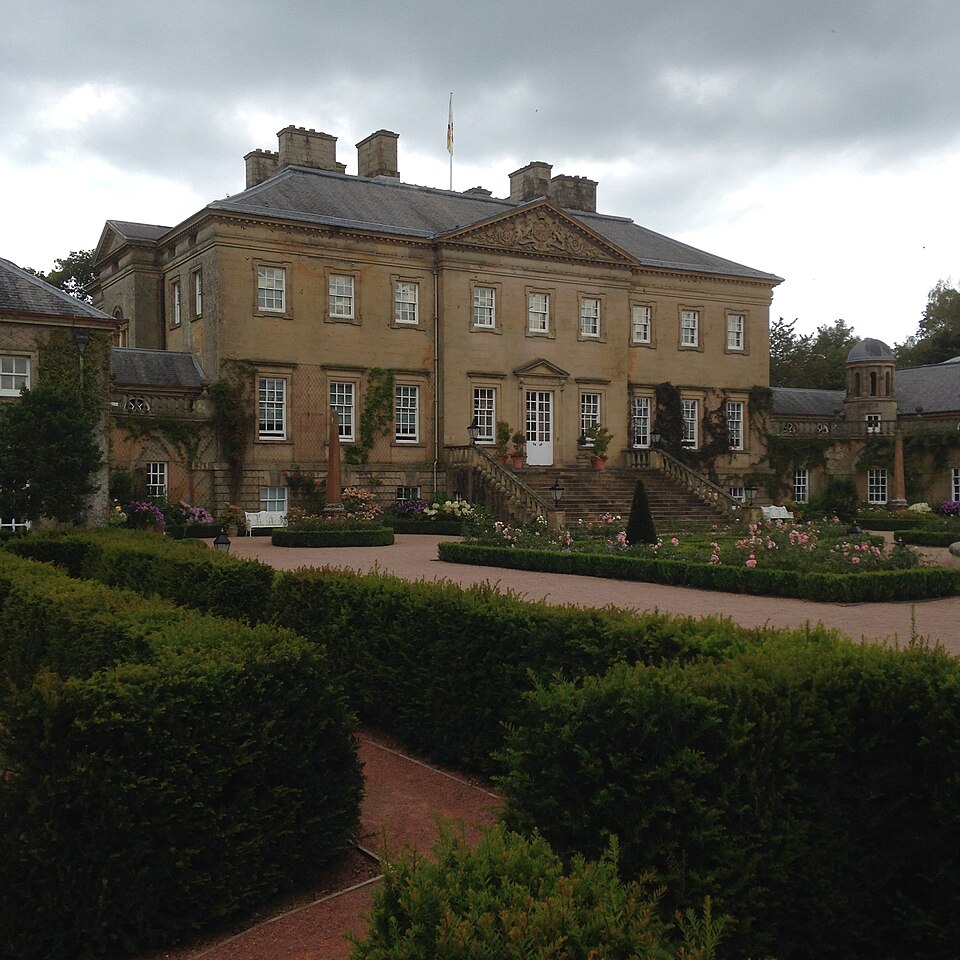
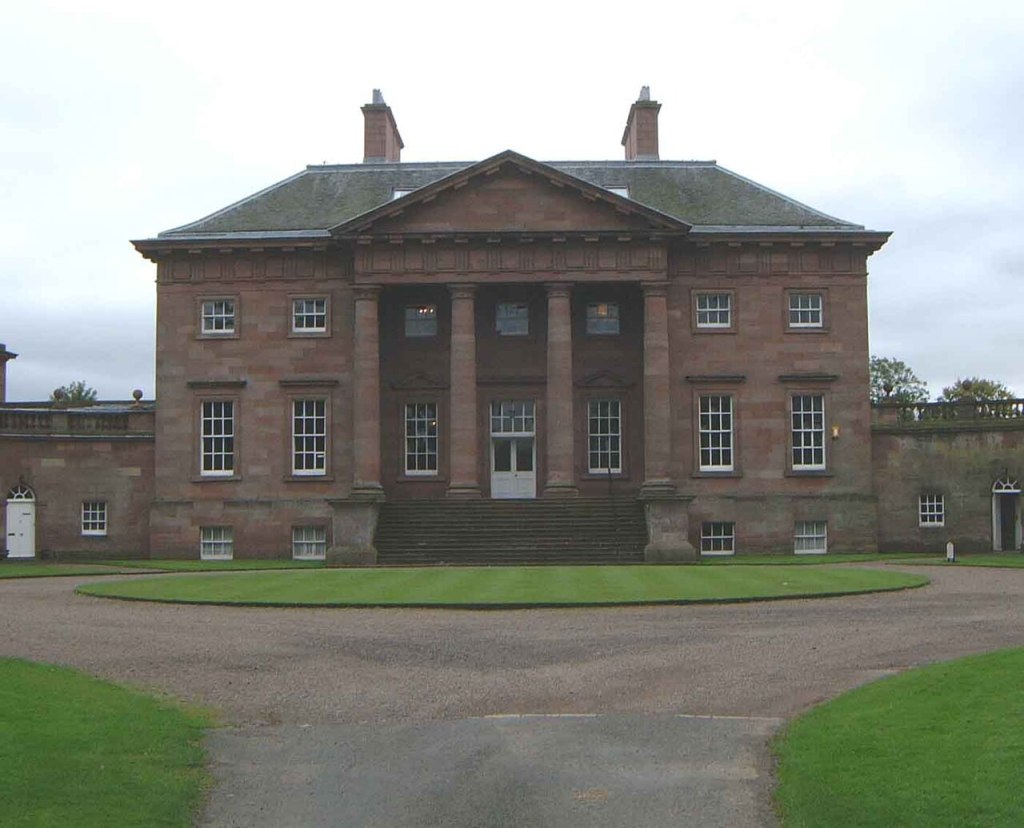
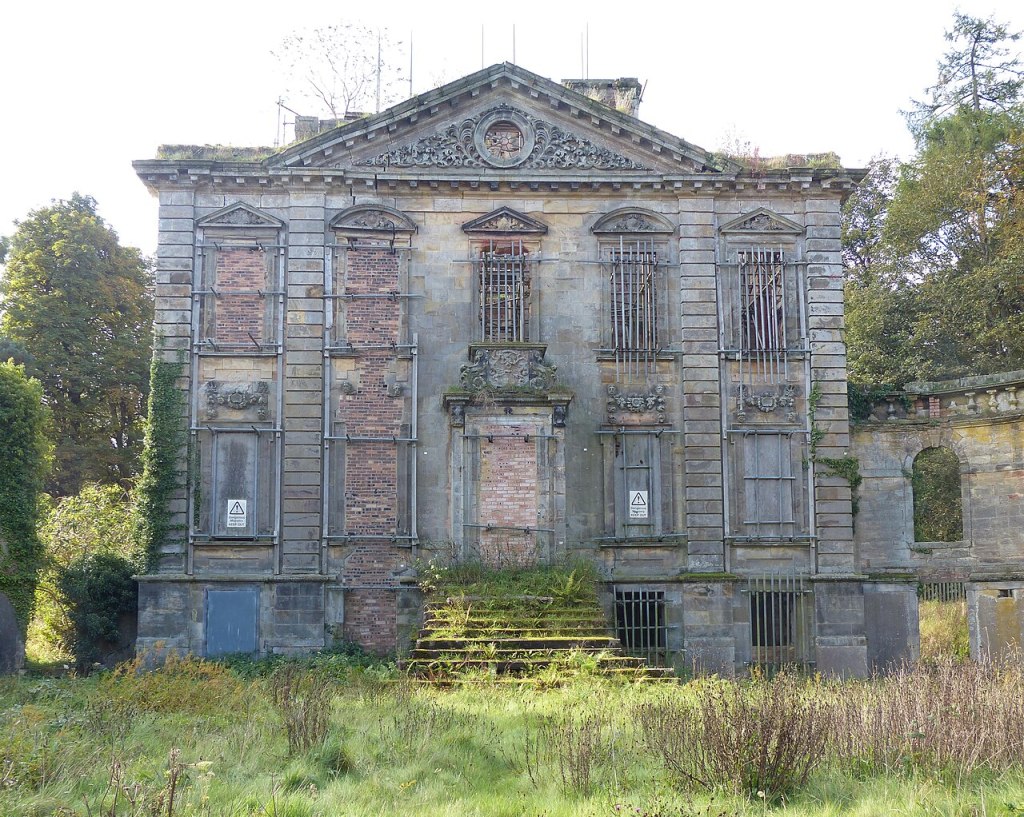
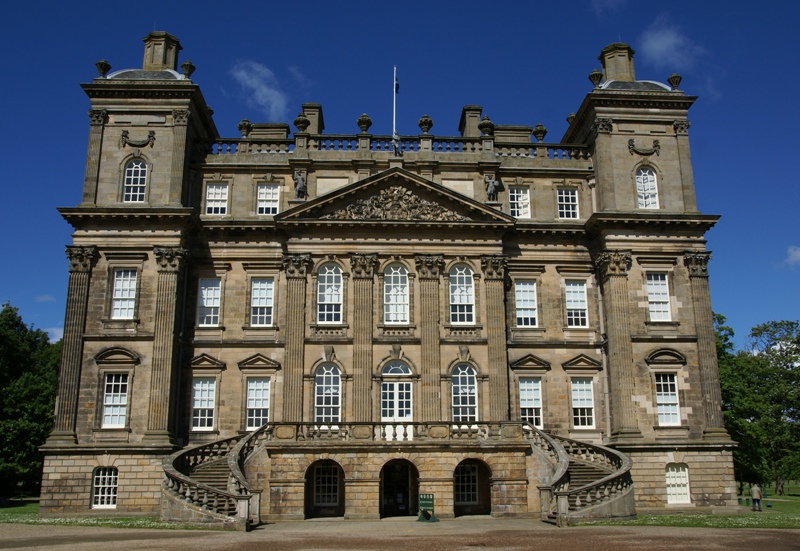
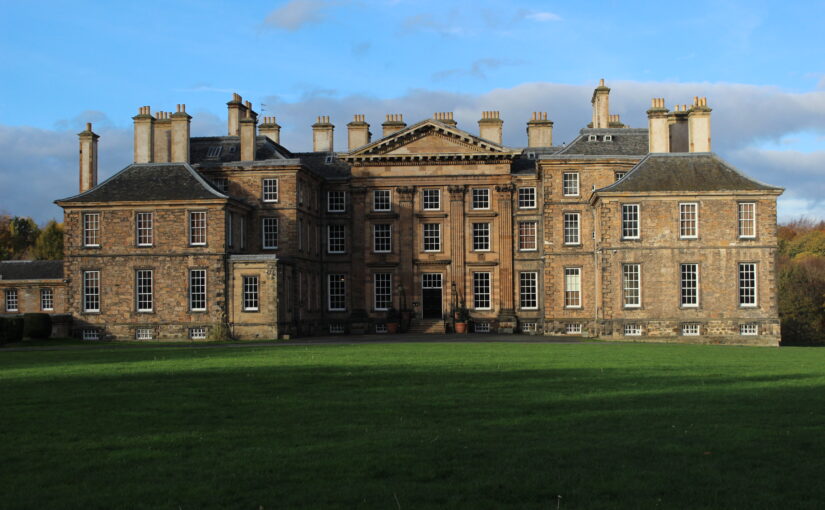
So why choose the Palladian style? Briefly, simplistically, four reasons:
- This is the time of the Enlightenment, when scholars are taking a new and humanistic interest in ancient Greece and Rome, leading them to an appreciation of the cleanness and symmetry embodied in classical buildings.
- It’s the beginning of a new dynasty, full of fashions and influences from the European royal court. The traditional building styles of Tudor and Jacobean redbrick in England and baronial and fortified stonework in Scotland just won’t do the business any more. A new style is needed.
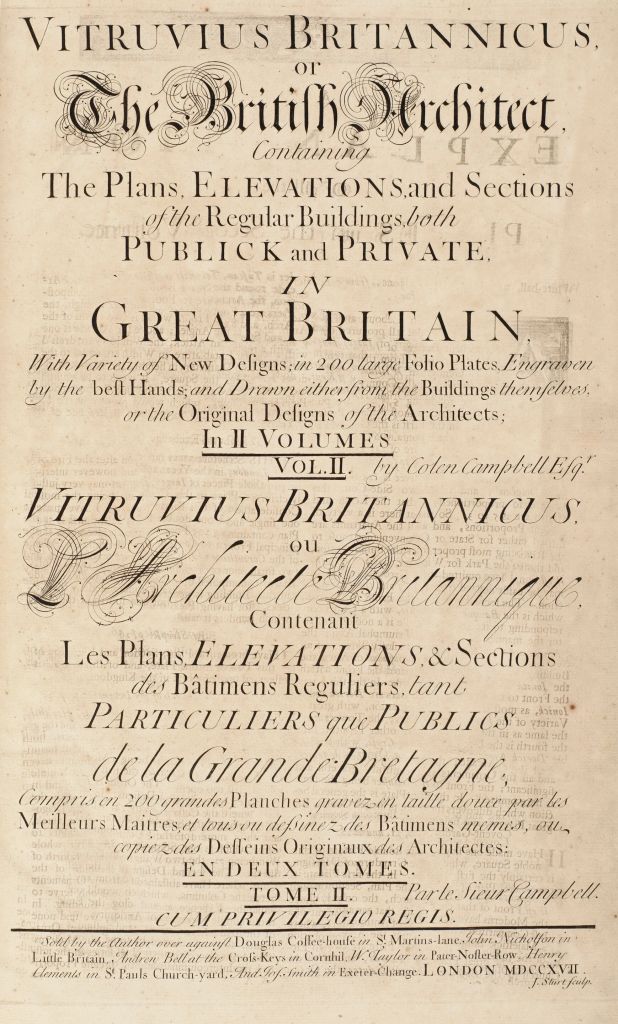
- New books are published full of engraved pictures and floor plans of classical houses: the first full English translation of Palladio’s Four Books of Architecture (1715), Colen Campbell’s Vitruvius Britannicus (1715-1725), and many others.
- The sons and heirs of the great and the greater from England and Scotland are setting out on the Grand Tour of Europe. They travel through the low countries, France, and Germany, fetching up in Italy, with its endless opportunities to enjoy good weather, adventure and all the fun things they can’t get away with back home. They are there ostensibly to look at art and classical buildings, and are accompanied (and sometimes exploited) by their companions, artistic advisers, dealers and hangers-on.
It’s no surprise that under all of these pressures, the craze for sublime villas in the style of Andrea Palladio goes viral. We still see the magnificent results in Richmond and Twickenham, and in Musselburgh, and on countless country estates, riversides and city squares from end to end of Britain.
Having spent so much time and effort presenting to you the above sweeping, superficial, unreferenced (and possibly a bit dodgy) survey of religious, political, constitutional, monarchical, social, economic, commercial and cultural relationships of Scotland and England in the late 17th and early 18th centuries, I now realise that I haven’t yet provided a scintilla of evidence to demonstrate the similarities that I allege exist between the Palladian villas on the Matchless Vales of Thames, and Newhailes House beside the River Forth.
So, to end this piece, here are some comparative images to encourage you to judge for yourselves. On the face of it, Newhailes House might not look all that much like Chiswick House and the other Matchless Vale villas. But it’s all there in the details.
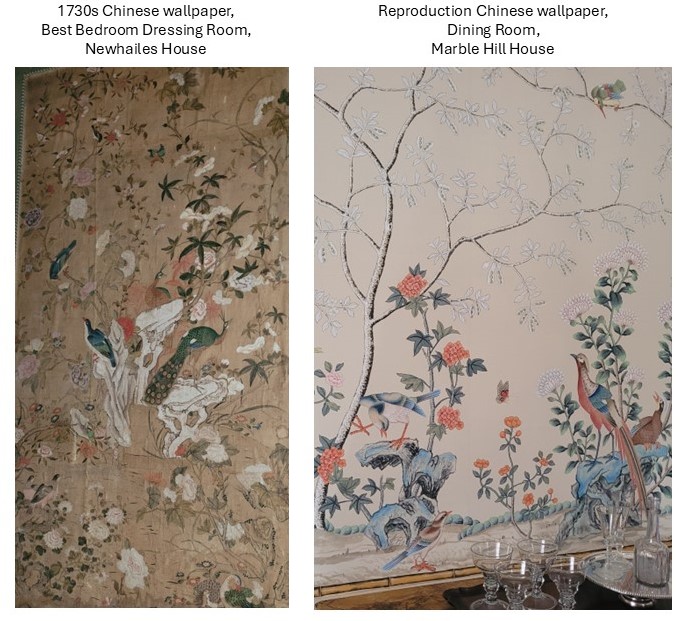
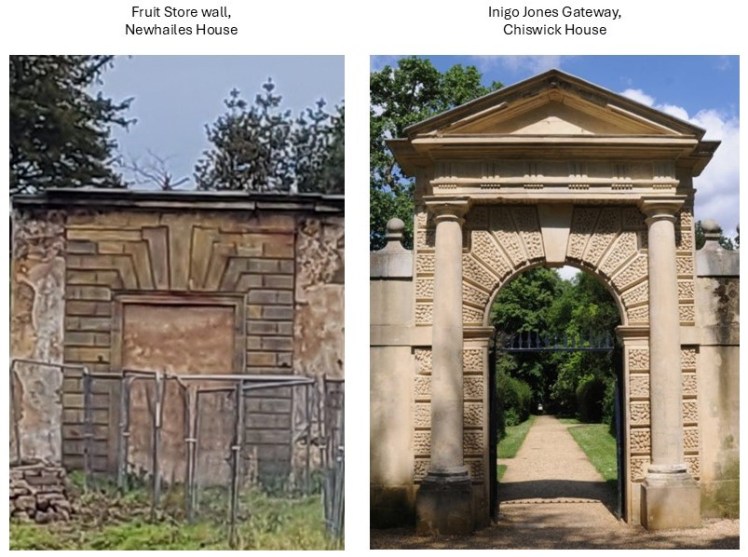
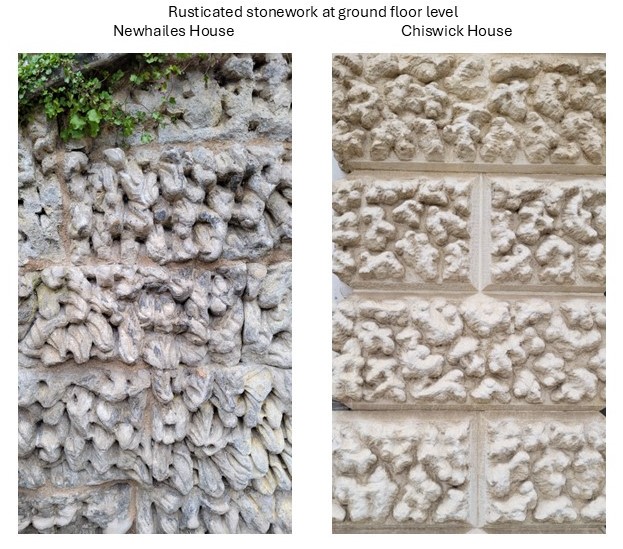
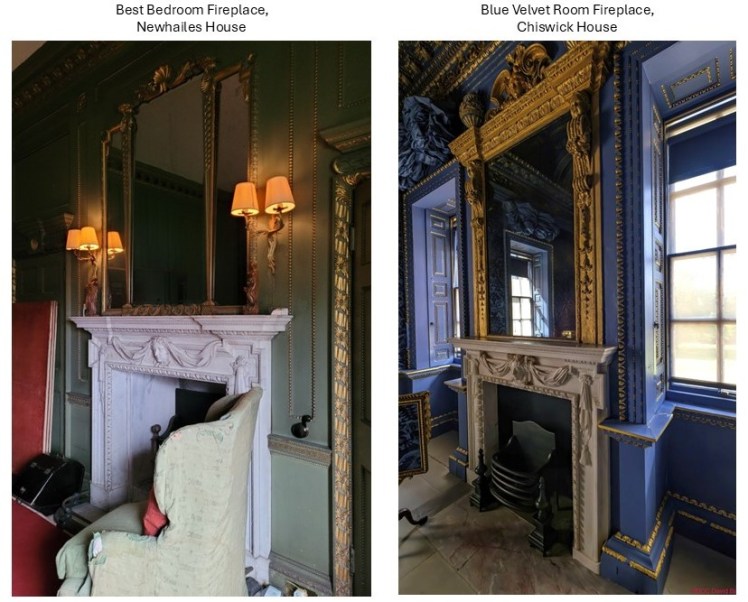
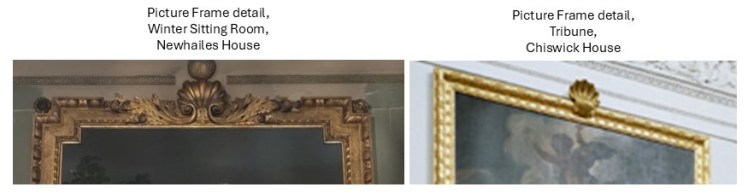
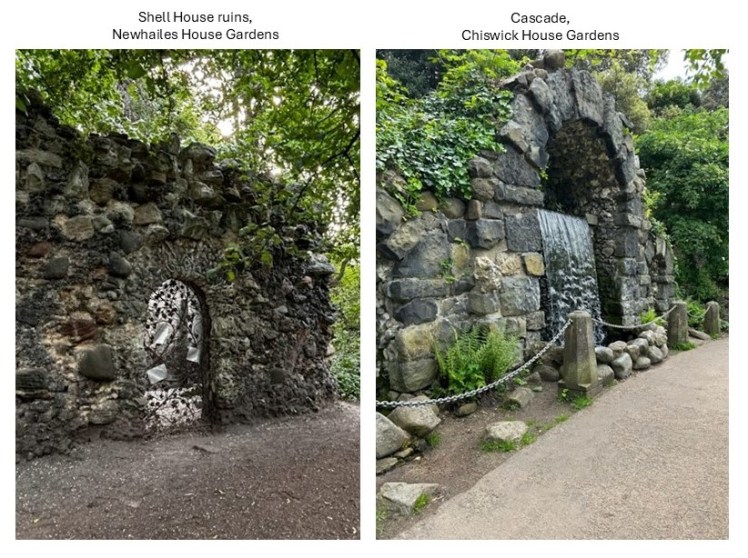
And if you still aren’t convinced, I suggest that you go to the superbly rebuilt, restored, gleaming, perfect villas in Chiswick and Twickenham, and then come to Scotland for a visit to faded, forlorn, obscure but wholly authentic Newhailes House. I look forward to taking you on a guided tour on any Thursday afternoon.

